
Salivary Mucocele
Key Points to Discuss with the Pet Owners
- The exact cause is usually unknown, but injury or trauma can sometimes lead to this condition.
- The swelling contains saliva, not pus or a tumor.
- Removing the affected salivary gland is usually required to prevent the swelling from recurring.
- If the gland is not treated, saliva will continue to accumulate.
- A small number of cases may resolve on their own, but veterinary evaluation is still recommended.
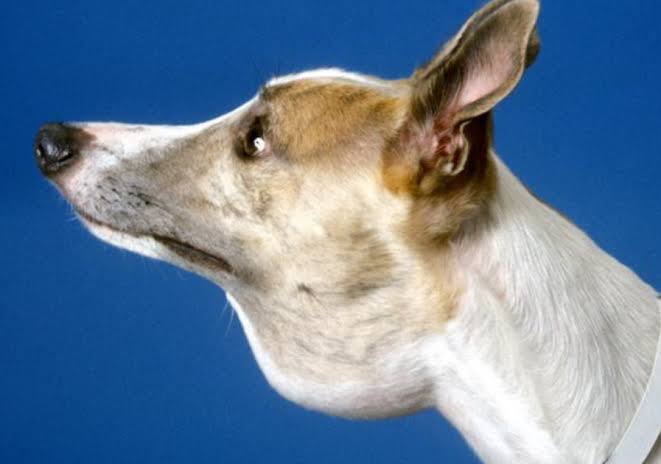
Salivary Mucocele
- Salivary mucocele is the most common salivary gland disorder in dogs and may also occur in cats, usually after trauma
- It develops when saliva leaks from a damaged salivary gland or duct and collects under the skin, causing a fluid-filled swelling.
- Most commonly seen in dogs 2–4 years of age, especially German Shepherd and Miniature Poodle.
- In most cases, the exact cause is unknown, although trauma may be responsible.
- Typical signs include a slowly enlarging, soft, painless swelling on the neck.
- Large mucoceles may cause difficulty swallowing (dysphagia) or breathing difficulty by compressing the throat.
- In cats, a ranula (a saliva-filled swelling under the tongue) may be present.