Acute Gastritis

Acute Gastritis

Key Points to Discuss with the Pet Owners 


  • Avoid sudden changes in your pet’s diet. Mix the new food gradually with the old diet over one week.
  • If your pet vomits 2–3 times, withhold food and water for 24 hours. Contact your veterinarian if vomiting continues.
  • Dogs and cats do not require a varied diet every day. Avoid feeding table scraps or human food, as these may cause gastritis.
  • Keep foreign objects and chewable items that can be swallowed away from your pet.

Acute Gastritis 


Acute gastritis is a common cause of vomiting in dogs and cats.

It occurs when the stomach lining (gastric mucosa) becomes damaged and inflamed.

Common causes include:

  • Dietary causes: spoiled food, sudden diet change, food allergy, or food intolerance.
  • Infectious agents: bacterial, viral, or parasitic infections
  • Toxins: chemicals, poisonous plants, drugs, or toxins associated with organ failure.
  • Ingestion of foreign objects.

Once the stomach lining is damaged, inflammation develops and causes clinical signs such as vomiting.

Withhold all food and water (nothing by mouth) for 24–36 hours.

After 36 hours, gradually introduce a low-fat, easily digestible diet, such as:

  • Low-fat cottage cheese (1 part) with boiled rice (2 parts).
  • Well-drained boiled meat (1 part) with boiled rice (3 parts).
 

Gastric dilation with volvulus (GDV)

Gastric dilation and volvulus (GDV)

Key Points to Discuss with the Pet Owners 


  • Some dogs may have a genetic or familial predisposition to GDV.
  • Avoid feeding one large meal per day; offer several small meals instead.
  • Do not allow vigorous exercise immediately after eating.
  • Feed a high-quality protein, low-fat diet and avoid easily fermentable diets.
  • The average hospital stay is 3–7 days.
  • The reported mortality rate is 15%–18%.
  • Gastropexy (stomach tack-down surgery) reduces the risk but does not completely prevent future GDV episodes.

Gastric dilation and volvulus (GDV)


GDV is a life-threatening condition seen mainly in large- and giant-breed, deep-chested dogs aged 2–10 years, but it can occasionally occur in small breeds.

The exact cause is not fully understood.

Factors that may contribute include:

  • Diet and exercise
  • Delayed gastric emptying
  • Pyloric obstruction
  • Aerophagia (swallowing air)
  • Overeating (gastric engorgement)

Some affected dogs may have gastric dysrhythmias (abnormal stomach contractions) that increase the risk of GDV.

As the stomach fills with air, food, or fluid, the stomach outlets can become blocked.

The stomach may:

  • Become dilated (gas-filled), or
  • Twist on its longitudinal axis (volvulus).

During volvulus, the pylorus moves beneath the stomach and lies above the cardia on the left side of the abdomen.

The enlarged stomach:

  • Presses against the diaphragm, causing breathing difficulty.
  • Compresses the hepatic portal vein and caudal vena cava, reducing venous return.

Increased pressure within the stomach wall decreases blood supply, leading to ischemia and possible gastric wall necrosis.

The spleen may become congested.

Endotoxins from the gastrointestinal tract activate inflammatory mediators.

The final result is hypovolemic and endotoxic shock.

Salivary Mucocele

Salivary Mucocele

Key Points to Discuss with the Pet Owners 


  • The exact cause is usually unknown, but injury or trauma can sometimes lead to this condition.
  • The swelling contains saliva, not pus or a tumor.
  • Removing the affected salivary gland is usually required to prevent the swelling from recurring.
  • If the gland is not treated, saliva will continue to accumulate.
  • A small number of cases may resolve on their own, but veterinary evaluation is still recommended.


Image
Photo courtesy of Dr. Loudon.

Salivary Mucocele


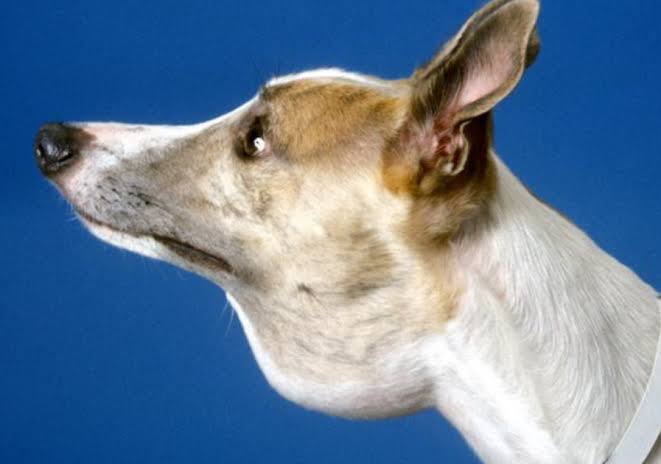
  • Salivary mucocele is the most common salivary gland disorder in dogs and may also occur in cats, usually after trauma
  • It develops when saliva leaks from a damaged salivary gland or duct and collects under the skin, causing a fluid-filled swelling.
  • Most commonly seen in dogs 2–4 years of age, especially German Shepherd and Miniature Poodle.
  • In most cases, the exact cause is unknown, although trauma may be responsible.
  • Typical signs include a slowly enlarging, soft, painless swelling on the neck.
  • Large mucoceles may cause difficulty swallowing (dysphagia) or breathing difficulty by compressing the throat.
  • In cats, a ranula (a saliva-filled swelling under the tongue) may be present.

Periodontal disease

Periodontal Disease in Dogs and Cats – Quick Clinical Guide

Key Points to Discuss with the Pet Owners 


  • Maintain good oral hygiene from an early age.
  • Brush your pet’s teeth daily using a pet-specific toothpaste. Avoid human toothpaste.
  • Schedule regular professional dental cleanings with your veterinarian.
  • Treat gingivitis promptly to prevent irreversible periodontal damage.
  • In advanced cases, extraction of severely affected teeth may be necessary to eliminate chronic infection.
  • Dry, crunchy diets may help reduce plaque buildup, but cannot remove hardened tartar.
  • Complete removal of plaque and calculus requires professional dental cleaning under anesthesia.


What is Periodontal Disease?


Periodontal disease is a progressive inflammation of the tissues supporting the teeth, caused by the accumulation of dental plaque.

It typically progresses through:

  • Gingivitis (early gum inflammation)
  • Gingival hyperplasia (gum overgrowth)
  • Periodontitis with destruction of the supporting bone (vertical or horizontal bone loss)

If left untreated, it can eventually result in tooth loss.

Disease Severity

  • Grade 1: Mild gingivitis.
  • Grade 2: Mild gingivitis with tartar deposits on most or all teeth.
  • Grade 3: Severe gingivitis with significant bone loss, oral pain, and advanced periodontal damage.


Gingivitis


  • Gingivitis is the earliest and reversible stage of periodontal disease.
  • It develops when plaque and tartar accumulate along the gum line (gingival sulcus).
  • Bacteria usually do not invade the gums directly. Instead, bacteria within plaque release enzymes that trigger inflammation.
  • The body’s inflammatory response may lead to redness, swelling, and gingival hyperplasia. In some animals, gingival hyperplasia may also be breed-related or drug-induced.
  • As plaque hardens, it forms dental calculus (tartar), which protects bacteria and promotes further disease.

Disease Progression

In gingivitis, inflammation is limited to the gums, and the attachment of the teeth remains intact.

Without treatment, the disease progresses to periodontitis, where:

Periodontal pockets develop.

  • The periodontal ligament begins to break down.
  • Alveolar bone is progressively resorbed.

Once bone and supporting tissues are lost, the damage is permanent and cannot be reversed.

Territorial Clash Between Rhinos In Dudhwa

Territorial Clash Between Rhinos In Dudhwa National Park

Image

Dudhwa National Park, Palia, Uttar Pradesh


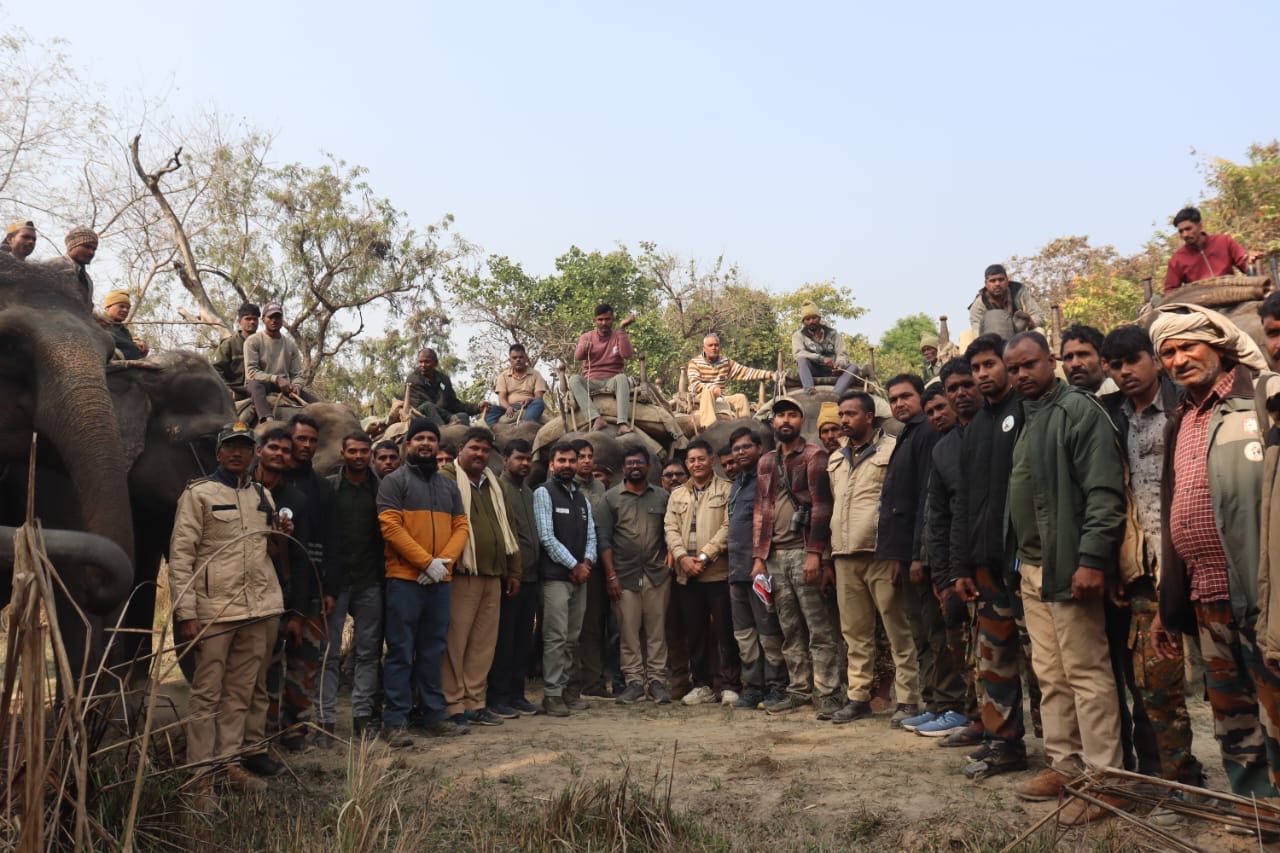
A territorial confrontation between two adult male one-horned rhinoceroses was recently reported inside the rhino conservation area of
Dudhwa National Park, resulting in serious injuries to one of the animals.

The injured rhino was detected during routine field monitoring by forest staff. On examination, the animal was found to have multiple wounds over the head, neck, and forelimb regions, injuries consistent with aggressive encounters commonly observed among mature male rhinos during territorial or dominance-related conflicts.

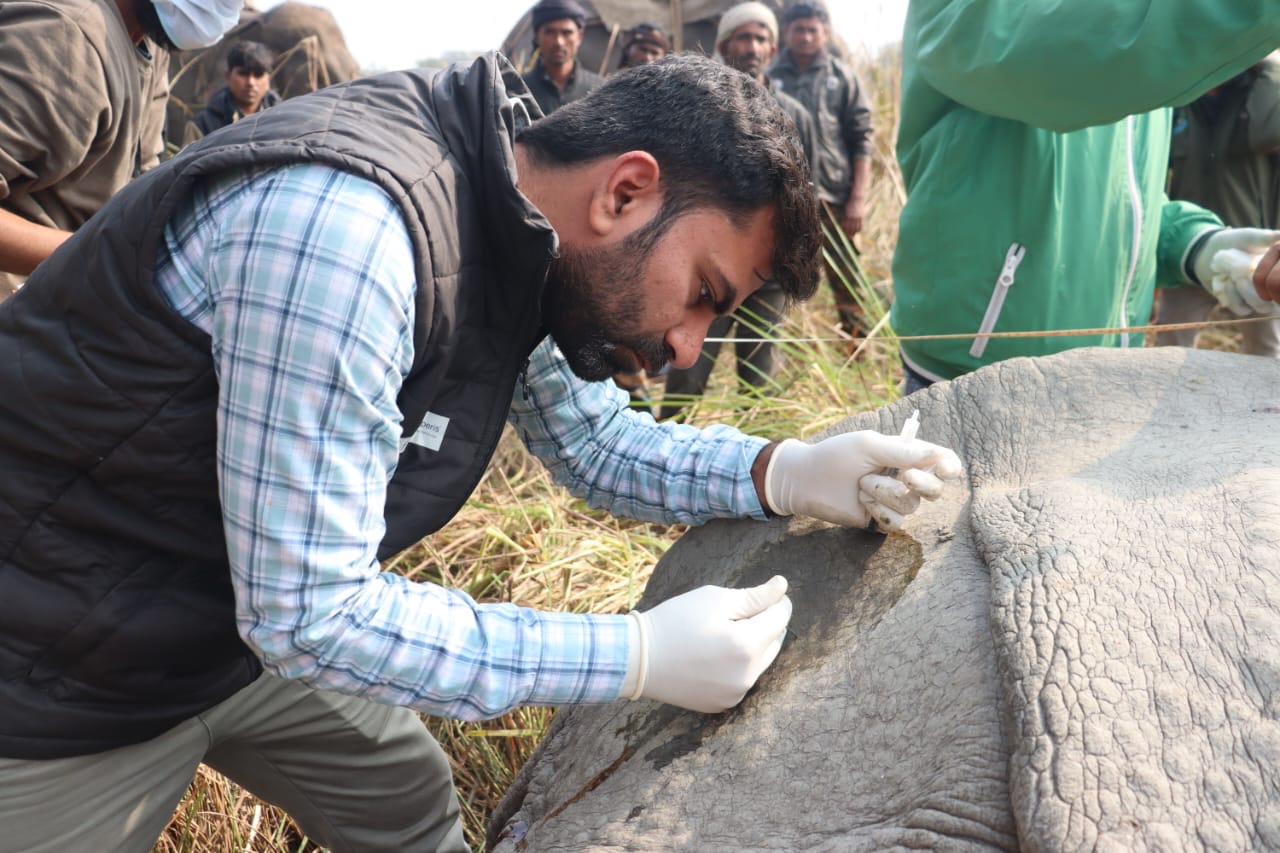
Following the report, a veterinary team from Dudhwa National Park was mobilised promptly. The injured rhino was successfully darted and immobilised by Dr. Mohd Talha, Wildlife Veterinarian posted in the core region of the park, who routinely oversees the health and management of large megaherbivores, including rhinoceroses and elephants. After safe immobilisation, the animal underwent thorough clinical examination, wound management, pain control, and supportive treatment at the site.

This intervention marked a significant milestone for Dudhwa National Park, as it was the first occasion on which a rhino was immobilised by the park’s own veterinary team. Earlier, immobilisation of rhinoceroses at Dudhwa required the assistance of specialised teams from Assam. The successful on-site immobilisation reflects the growing technical capacity and preparedness of the park’s veterinary services.

The operation was supported by Dr. Daya Shankar, Wildlife Veterinarian associated with the buffer region of the reserve, who assisted in field coordination and post-treatment monitoring. Following stabilisation, the rhino was released back into the enclosure and is currently under close observation by veterinary and forest staff to monitor recovery and prevent further conflict.


Image

Forest officials noted that such clashes are part of natural behavioural patterns among adult male rhinos. Nevertheless, timely veterinary intervention and continuous surveillance remain critical to ensuring animal welfare in protected conservation landscapes.

Dudhwa National Park continues to play a vital role in rhinoceros conservation in northern India, with dedicated field and veterinary teams working together to strengthen wildlife healthcare and management within the reserve.

Best Emergency Vets In New York City, NY | 2024

Best Emergency Vets In New York City, NY | 2024

Facing a pet emergency in NYC? Don't panic! This guide highlights the top-rated emergency veterinary clinics and hospitals open to save the day (and your furry friend) in 2024.

Image

1. VETERINARY EMERGENCY GROUP


  • 735 6th Ave, New York, NY 10010, USA.
  • Contact - 646.582.8882
  • It has a 4.9 star rating on Google Maps.
  • Opening hours today are Open 24 hours. 
  • Website Link - Veterinary Emergency Group  
  • Immediate Care for 

2. VETERINARY EMERGENCY GROUP

  • 1215 2nd Ave, New York, NY 10065, USA.
  • Contact - 212.223.3500
  • It has a 4.6 star rating on Google Maps.
  • Opening hours today are Open 24 hours.Website Link - Veterinary Emergency Group  
  • Immediate Care for 

3. INSTAVET URGENT CARE & WELLNESS ANIMAL HOSPITAL 

Urinary Issues - Bladder stones, kidney stones, internal lesions, and other urinary tract obstacles may cause dangerous urinary blockages, causing toxins to build up in the blood. Catheterization to remove the blockage, combined with fluids to dilute the toxins, can save your pet’s life.

4. VETERINARY EMERGENCY GROUP


  • 87 Kent Ave, Brooklyn, NY 11249, USA
  • Contact - 917.423.6444
  • It has a 4.7 star rating on Google Maps.
  • Opening hours today are Open 24 hours. 
  • Website Link - Veterinary Emergency Group  
  • Immediate Care for 

5. HEART OF CHALSEA VETERINARY GROUP


  • 241 Eldridge St, New York, NY 10002, USA
  • Contact - (212)9246116
  • It has a 4.7 star rating on Google Maps.
  • Opening hours today are 8:00 AM - 7:00 PM.
  • Website Link - Heart of chalsea veterinary group
  • Immediate Care for 

6. BLUEPEARL PET HOSPITAL 

  • 1 W 15th St, New York, NY 10011, USA.
  • Contact - Click Here
  • It has a 3.3 star rating on Google Maps.
  • Opening hours today are Open 7:00 AM - 12:00 AM.. 
  • Website Link - BluePearl Pet Hospital
  • Immediate Care for 

7. BLUEPEARL PET HOSPITAL


  • 410 W 55th St, New York, NY 10019, USA.
  • Contact - Click Here
  • It has a 3.4 star rating on Google Maps.
  • Opening hours today are Open 24 hours.
  • Website Link - BluePearl Pet Hospital
  • Immediate Care for

If you believe your pet is sick, hurt or in distress, we’re here to provide expert care. Our trained emergency clinicians are prepared to diagnose and treat urgent cases, including severely injured or critically ill pets. Common emergency cases we see include:

8. KWIKVET - 24 HOUR VETERINARIANS


  • 1412 Broadway 21st floor suite, New York, NY 10018, USA.
  • Contact - 646.582.8882
  • It has a 0 star rating on Google Maps.
  • Opening hours today are Open 24 hours. 
  • Website Link -KwikVet - 24 hour veterinarians
  • Immediate Care for 

Inappetence and Anorexia in Cat and Dog

Inappetence and anorexia in cat and dog

Introduction


  • Inappetence means reduced appetite.
  • Anorexia means complete lack of eating.
  • Both are common signs but don't specifically point to a disease.
  • They might indicate nausea.
  • Inappetence is not the same as being picky about food.
  • Small breed dogs often have picky appetites.

Differential Diagnosis


  • Inability to smell food, e.g. cat flu
  • Pyrexia
  • Pain
  • Dental disease
  • Gastrointestinal disease, especially foreign bodies, intestinal neoplasia, severe gastroenteritis, intussusception
  • Renal failure
  • Hepatic disorders
  • Pancreatitis
  • Heart failure
  • Anaemia
  • Neoplastic disease
  • Metabolic abnormalities, e.g. hypokalaemia,
    hypercalcaemia, hypoadrenocorticism

Diagnostic Approach


  • Obtain a detailed history including duration of reduced appetite, percentage of normal daily intake eaten, weight loss, and drinking habits.
  • Perform a thorough physical examination, evaluating all body systems.
  • Pay special attention to the abdomen for any masses.
  • Assess body condition score, hydration status, and signs of underlying disorders.
  • The diagnostic approach depends on whether specific signs of illness are present.
  • If there are no specific clinical signs and inappropriate diet is ruled out, a blood sample should be taken for haematology and biochemistry.
  • Biochemistry should cover urea, creatinine, albumin, globulin, liver enzymes, dynamic bile acids, sodium, potassium, calcium, phosphorus, and glucose.
  • Urinalysis, including specific gravity, dipstick examination, and sediment examination, can be helpful, especially if azotaemia is detected in serum biochemical testing, aiding in distinguishing between pre-renal and renal azotaemia.
  • If haematology, biochemistry, and urinalysis results are normal, survey radiographs of the abdomen and chest are recommended.

Treatment


  • Identify and treat the underlying cause to restore appetite.
  • Offer small meals of warmed, palatable food like boiled chicken or fish during recovery.
  • Hand-feeding can be helpful, but avoid force-feeding to prevent food aversion.
  • Some pets, particularly cats, may not eat while hospitalized, possibly requiring early discharge decisions.

What to do if animal not responding to treatment ?


  • Complete anorexia for more than three days in cats, or five days in dogs, requires urgent intervention.
  • Hospitalization and supportive care are necessary, especially in cats to prevent hepatic lipidosis.
  • IV fluids may be needed to treat dehydration and provide maintenance fluid requirements.
  • Address any additional problems such as hypokalemia as appropriate.
  • Nutritional support should primarily be through the enteral route, allowing absorption via the gastrointestinal tract.
  • Calculate daily caloric requirements for hospitalized dogs and cats using the formula: (30 × body weight in kg) + 70.


  • If the patient continues to be anorexic, tube-feeding is recommended.
  • Naso-esophageal tubes are well-tolerated and relatively easy to place, suitable for short-term nutrition in non-vomiting patients without esophageal disease.
  • Patients can still eat voluntarily with these tubes.
  • Syringe feeding may be tolerated by some patients but should only be done by competent individuals due to the risk of aspiration.
  • Syringe feeding should be discontinued if the patient appears to resent the procedure.


  • Appetite stimulants may be beneficial and include intravenous diazepam for cats, or oral cyproheptadine or mirtazapine for dogs or cats.
  • Suspected nausea can be treated with maropitant or metoclopramide.
  • Vitamin B12 supplementation might be considered, especially in patients with low B12 concentrations due to gastrointestinal disease.
  • Corticosteroids should not be used empirically as appetite stimulants. They should be reserved for patients with identified corticosteroid-responsive diseases or for palliative treatment in very sick patients if further investigations/treatments are declined by owners.


  • Parenteral nutrition (IV route) is suitable for only a small number of patients with severely compromised intestinal function and is not typically done in general practice.
  • Isotonic glucose-containing IV fluids and amino acid supplements provide only a small portion of daily caloric needs and should not replace adequate enteral nutrition.
  • If the patient fails to eat after treating an identified underlying cause, clinicians should search for additional causes.
  • Repeat physical examination to ensure specific clinical signs haven't been overlooked or developed.
  • Re-evaluate blood test results and radiographs to ensure nothing has been missed.

How often should I feed my cat?

How Often Should I Feed My Cat?

Meal frequency for cats depends on factors like age, health, and preference.

Age


  • 2-3 months: 4 meals/day
  • 3-5 months: 3 meals/day
  • 6-8 months: 2 meals/day
  • Adult: 1 - 2 meals/day
  • Feeding pot should be very thick otherwise it will be spoiled by the cat stepping on it.

Health


  • For cats with diabetes, it's important to coordinate feeding times with insulin administration, based on your veterinarian's guidance.
  • Hyperthyroid cats may exhibit increased appetite, so it's essential to address the underlying thyroid condition and then feed them normally.
  • Aging cats may experience dental issues, making it difficult to chew dry food. In such cases, offering canned food or wetting dry food can help make it easier for them to eat.

Preference


Dry Food:

  • Convenience and cost-effectiveness make dry food a popular choice among cat owners.
  • Ensure the dry food is complete and balanced to meet the cat's nutritional needs.
  • Cats consuming only dry food should have access to plenty of fresh water, particularly if prone to urinary tract issues.
  • Consider portion control and monitor water intake to prevent overeating and dehydration.

Canned Food:

  • Canned cat food contains a higher water content, making it more hydrating.
  • It can be fed in addition to or instead of dry food, depending on the cat's preferences.
  • Portion control is crucial to prevent overeating, as canned food may be more palatable.
  • Monitor calorie intake to prevent excessive weight gain when mixing both types of food.

Feeding Practices:

    • Mixing both dry and canned food is acceptable, but monitor calorie intake to maintain a healthy weight.
    • Free feeding dry food may be suitable for cats with self-control, but portion control is essential for those prone to overeating.
    • Switching between different types of food occasionally can prevent cats from becoming too attached to one diet.
    • Provide fresh food daily and monitor the cat's weight and overall health regularly.

Considering Your Schedule:

  • Your schedule may dictate when you feed your cat, with mornings being hectic and evenings quieter.
  • If mornings are busy, consider feeding your cat in the evening when it's calmer, or vice versa if evenings are hectic.
  • Find a consistent feeding schedule that works for both you and your cat to maintain routine and stability.

Multi-Cat Household Considerations:

  • In a multi-cat household, not all cats may come when called for dinner, making it challenging to ensure all cats get their share of food.
  • Leaving food out all the time may lead to some cats overeating, while others may not get enough.
  • Feeding cats separately or in different areas of the house, to ensure each cat gets the right amount of food.

Follow on Instagram 

Top 10 Emergency Vet In Alaska

Top 10 Emergency Vet In Alaska

Note : If you have a medical emergency we recommend you contact them directly (contact details given below)  instead of making appointment

PET Emergency Treatment Inc.

What constitutes an emergency?

  • Bloody diarrhea

  • Abnormal gait, stumbling, loss of coordination

  • Choking, difficulty breathing, respiratory distress

  • Collapse

  • Diabetic insulin crisis

  • Distended abdomen

  • Discoloration of the skin, eyes, or gums

  • Heatstroke

  • Loss of consciousness

  • Ingestion of a toxic substance

  • Ingestion of any object that is not meant to be ingested (clothing, string, toys, small objects, bones, fishhooks or any other sharp objects)

  • Any problem related to your pet’s eyes (redness, squinting, discharge)

  • Pregnant and in extended labor (straining for 2 hours without giving birth)

  • Seizures (over 2 seizures in 24 hours or any seizure lasting longer than 5 min)

  • Skin Wounds

  • Snake bites

  • Straining to urinate or defecate

  • Trauma, hit by a car, wound from a fight, any laceration

  • Uncontrolled bleeding

  • Vomiting

  • Unproductive retching

Top 10 Emergency Vet In Birmingham, Alabama

Top 10 Emergency Vet In Birmingham, Alabama

Note : If you have a medical emergency we recommend you contact them directly (contact details given below)  instead of making appointment

Caldwell Mill Animal Clinic
Emergi-Pet
Riverview Animal Clinic
Steel City Emergency Vets
Eastwood Animal Clinic
Taylor Crossing Animal Hospital
Veterinary Specialists of Birmingham
Avondale Animal Hospital
Standifer's Animal Clinic
Valleydale Animal Clinic

What constitutes an emergency?

  • Bloody diarrhea

  • Abnormal gait, stumbling, loss of coordination

  • Choking, difficulty breathing, respiratory distress

  • Collapse

  • Diabetic insulin crisis

  • Distended abdomen

  • Discoloration of the skin, eyes, or gums

  • Heatstroke

  • Loss of consciousness

  • Ingestion of a toxic substance

  • Ingestion of any object that is not meant to be ingested (clothing, string, toys, small objects, bones, fishhooks or any other sharp objects)

  • Any problem related to your pet’s eyes (redness, squinting, discharge)

  • Pregnant and in extended labor (straining for 2 hours without giving birth)

  • Seizures (over 2 seizures in 24 hours or any seizure lasting longer than 5 min)

  • Skin Wounds

  • Snake bites

  • Straining to urinate or defecate

  • Trauma, hit by a car, wound from a fight, any laceration

  • Uncontrolled bleeding

  • Vomiting

  • Unproductive retching