Acute Gastritis

Acute Gastritis

Key Points to Discuss with the Pet Owners 


  • Avoid sudden changes in your pet’s diet. Mix the new food gradually with the old diet over one week.
  • If your pet vomits 2–3 times, withhold food and water for 24 hours. Contact your veterinarian if vomiting continues.
  • Dogs and cats do not require a varied diet every day. Avoid feeding table scraps or human food, as these may cause gastritis.
  • Keep foreign objects and chewable items that can be swallowed away from your pet.

Acute Gastritis 


Acute gastritis is a common cause of vomiting in dogs and cats.

It occurs when the stomach lining (gastric mucosa) becomes damaged and inflamed.

Common causes include:

  • Dietary causes: spoiled food, sudden diet change, food allergy, or food intolerance.
  • Infectious agents: bacterial, viral, or parasitic infections
  • Toxins: chemicals, poisonous plants, drugs, or toxins associated with organ failure.
  • Ingestion of foreign objects.

Once the stomach lining is damaged, inflammation develops and causes clinical signs such as vomiting.

Withhold all food and water (nothing by mouth) for 24–36 hours.

After 36 hours, gradually introduce a low-fat, easily digestible diet, such as:

  • Low-fat cottage cheese (1 part) with boiled rice (2 parts).
  • Well-drained boiled meat (1 part) with boiled rice (3 parts).
 

Gastric dilation with volvulus (GDV)

Gastric dilation and volvulus (GDV)

Key Points to Discuss with the Pet Owners 


  • Some dogs may have a genetic or familial predisposition to GDV.
  • Avoid feeding one large meal per day; offer several small meals instead.
  • Do not allow vigorous exercise immediately after eating.
  • Feed a high-quality protein, low-fat diet and avoid easily fermentable diets.
  • The average hospital stay is 3–7 days.
  • The reported mortality rate is 15%–18%.
  • Gastropexy (stomach tack-down surgery) reduces the risk but does not completely prevent future GDV episodes.

Gastric dilation and volvulus (GDV)


GDV is a life-threatening condition seen mainly in large- and giant-breed, deep-chested dogs aged 2–10 years, but it can occasionally occur in small breeds.

The exact cause is not fully understood.

Factors that may contribute include:

  • Diet and exercise
  • Delayed gastric emptying
  • Pyloric obstruction
  • Aerophagia (swallowing air)
  • Overeating (gastric engorgement)

Some affected dogs may have gastric dysrhythmias (abnormal stomach contractions) that increase the risk of GDV.

As the stomach fills with air, food, or fluid, the stomach outlets can become blocked.

The stomach may:

  • Become dilated (gas-filled), or
  • Twist on its longitudinal axis (volvulus).

During volvulus, the pylorus moves beneath the stomach and lies above the cardia on the left side of the abdomen.

The enlarged stomach:

  • Presses against the diaphragm, causing breathing difficulty.
  • Compresses the hepatic portal vein and caudal vena cava, reducing venous return.

Increased pressure within the stomach wall decreases blood supply, leading to ischemia and possible gastric wall necrosis.

The spleen may become congested.

Endotoxins from the gastrointestinal tract activate inflammatory mediators.

The final result is hypovolemic and endotoxic shock.

Salivary Mucocele

Salivary Mucocele

Key Points to Discuss with the Pet Owners 


  • The exact cause is usually unknown, but injury or trauma can sometimes lead to this condition.
  • The swelling contains saliva, not pus or a tumor.
  • Removing the affected salivary gland is usually required to prevent the swelling from recurring.
  • If the gland is not treated, saliva will continue to accumulate.
  • A small number of cases may resolve on their own, but veterinary evaluation is still recommended.


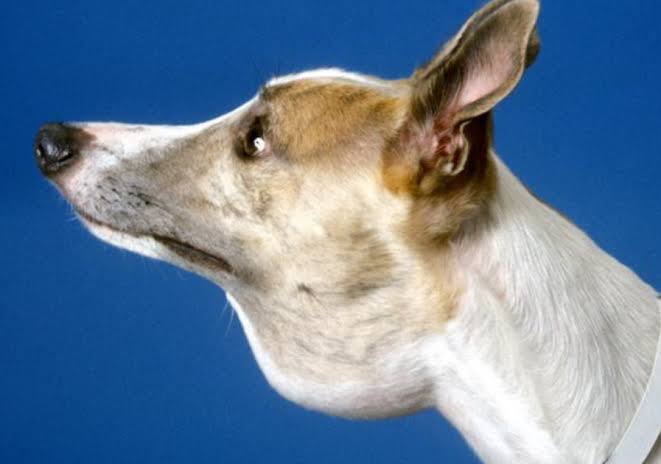
Image
Photo courtesy of Dr. Loudon.

Salivary Mucocele


  • Salivary mucocele is the most common salivary gland disorder in dogs and may also occur in cats, usually after trauma
  • It develops when saliva leaks from a damaged salivary gland or duct and collects under the skin, causing a fluid-filled swelling.
  • Most commonly seen in dogs 2–4 years of age, especially German Shepherd and Miniature Poodle.
  • In most cases, the exact cause is unknown, although trauma may be responsible.
  • Typical signs include a slowly enlarging, soft, painless swelling on the neck.
  • Large mucoceles may cause difficulty swallowing (dysphagia) or breathing difficulty by compressing the throat.
  • In cats, a ranula (a saliva-filled swelling under the tongue) may be present.

Periodontal disease

Periodontal Disease in Dogs and Cats – Quick Clinical Guide

Key Points to Discuss with the Pet Owners 


  • Maintain good oral hygiene from an early age.
  • Brush your pet’s teeth daily using a pet-specific toothpaste. Avoid human toothpaste.
  • Schedule regular professional dental cleanings with your veterinarian.
  • Treat gingivitis promptly to prevent irreversible periodontal damage.
  • In advanced cases, extraction of severely affected teeth may be necessary to eliminate chronic infection.
  • Dry, crunchy diets may help reduce plaque buildup, but cannot remove hardened tartar.
  • Complete removal of plaque and calculus requires professional dental cleaning under anesthesia.


What is Periodontal Disease?


Periodontal disease is a progressive inflammation of the tissues supporting the teeth, caused by the accumulation of dental plaque.

It typically progresses through:

  • Gingivitis (early gum inflammation)
  • Gingival hyperplasia (gum overgrowth)
  • Periodontitis with destruction of the supporting bone (vertical or horizontal bone loss)

If left untreated, it can eventually result in tooth loss.

Disease Severity

  • Grade 1: Mild gingivitis.
  • Grade 2: Mild gingivitis with tartar deposits on most or all teeth.
  • Grade 3: Severe gingivitis with significant bone loss, oral pain, and advanced periodontal damage.


Gingivitis


  • Gingivitis is the earliest and reversible stage of periodontal disease.
  • It develops when plaque and tartar accumulate along the gum line (gingival sulcus).
  • Bacteria usually do not invade the gums directly. Instead, bacteria within plaque release enzymes that trigger inflammation.
  • The body’s inflammatory response may lead to redness, swelling, and gingival hyperplasia. In some animals, gingival hyperplasia may also be breed-related or drug-induced.
  • As plaque hardens, it forms dental calculus (tartar), which protects bacteria and promotes further disease.

Disease Progression

In gingivitis, inflammation is limited to the gums, and the attachment of the teeth remains intact.

Without treatment, the disease progresses to periodontitis, where:

Periodontal pockets develop.

  • The periodontal ligament begins to break down.
  • Alveolar bone is progressively resorbed.

Once bone and supporting tissues are lost, the damage is permanent and cannot be reversed.

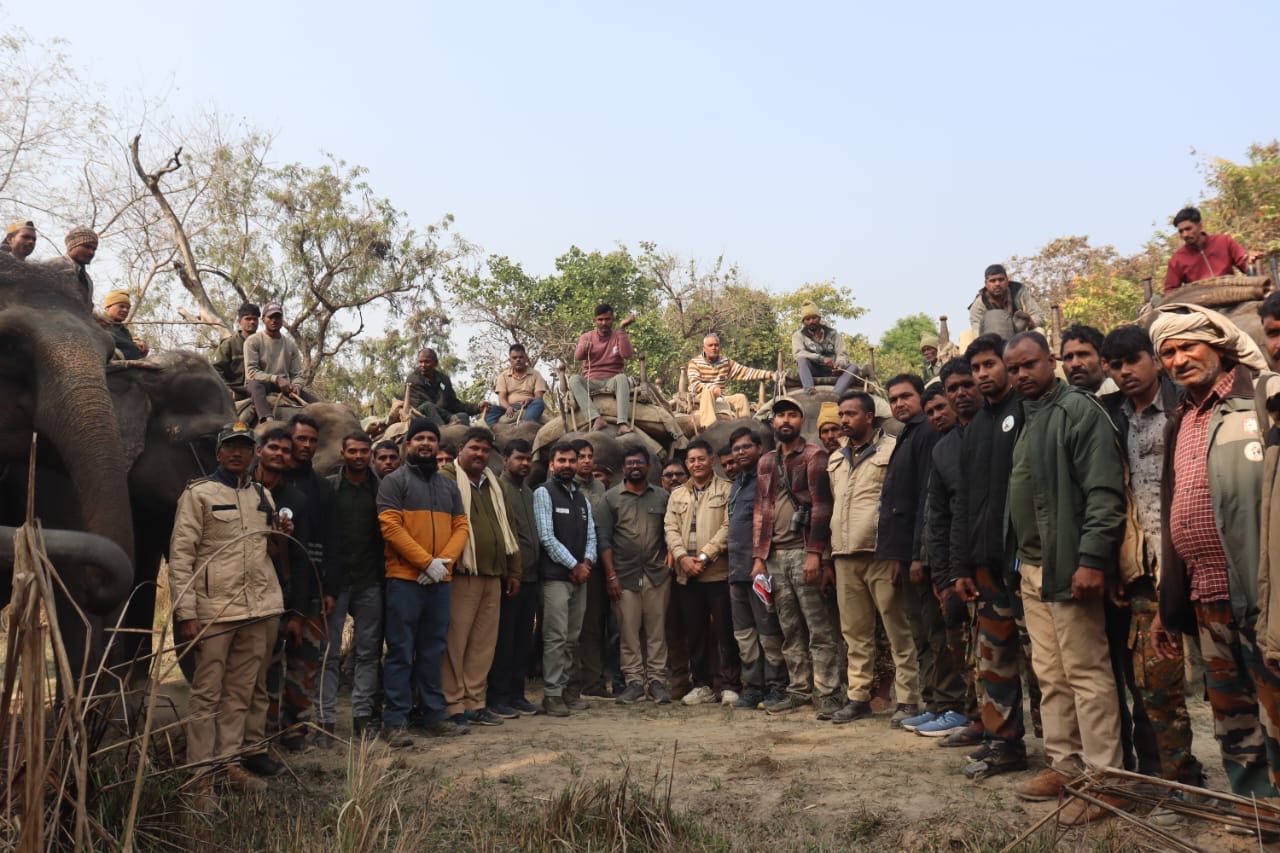
Territorial Clash Between Rhinos In Dudhwa

Territorial Clash Between Rhinos In Dudhwa National Park

Image

Dudhwa National Park, Palia, Uttar Pradesh


A territorial confrontation between two adult male one-horned rhinoceroses was recently reported inside the rhino conservation area of
Dudhwa National Park, resulting in serious injuries to one of the animals.

The injured rhino was detected during routine field monitoring by forest staff. On examination, the animal was found to have multiple wounds over the head, neck, and forelimb regions, injuries consistent with aggressive encounters commonly observed among mature male rhinos during territorial or dominance-related conflicts.

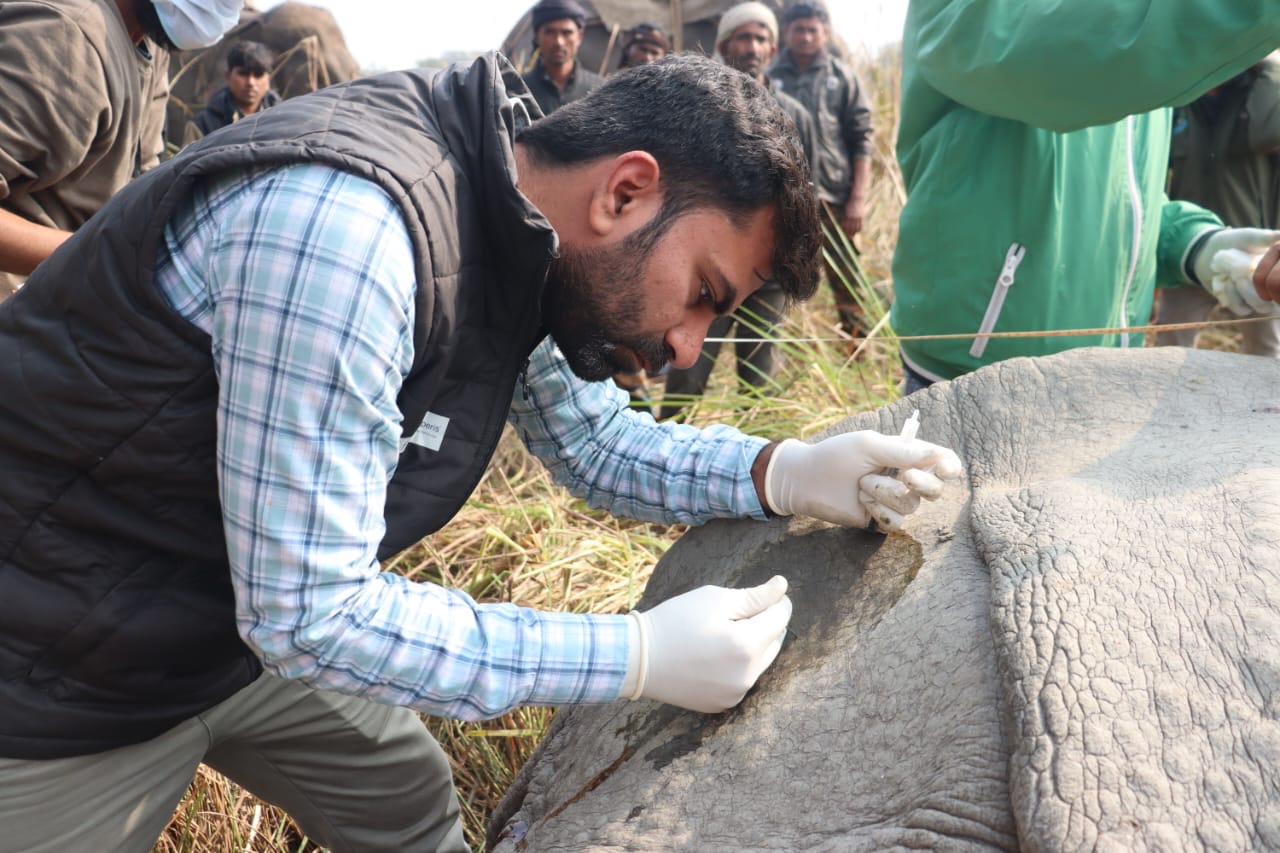
Following the report, a veterinary team from Dudhwa National Park was mobilised promptly. The injured rhino was successfully darted and immobilised by Dr. Mohd Talha, Wildlife Veterinarian posted in the core region of the park, who routinely oversees the health and management of large megaherbivores, including rhinoceroses and elephants. After safe immobilisation, the animal underwent thorough clinical examination, wound management, pain control, and supportive treatment at the site.

This intervention marked a significant milestone for Dudhwa National Park, as it was the first occasion on which a rhino was immobilised by the park’s own veterinary team. Earlier, immobilisation of rhinoceroses at Dudhwa required the assistance of specialised teams from Assam. The successful on-site immobilisation reflects the growing technical capacity and preparedness of the park’s veterinary services.

The operation was supported by Dr. Daya Shankar, Wildlife Veterinarian associated with the buffer region of the reserve, who assisted in field coordination and post-treatment monitoring. Following stabilisation, the rhino was released back into the enclosure and is currently under close observation by veterinary and forest staff to monitor recovery and prevent further conflict.


Image

Forest officials noted that such clashes are part of natural behavioural patterns among adult male rhinos. Nevertheless, timely veterinary intervention and continuous surveillance remain critical to ensuring animal welfare in protected conservation landscapes.

Dudhwa National Park continues to play a vital role in rhinoceros conservation in northern India, with dedicated field and veterinary teams working together to strengthen wildlife healthcare and management within the reserve.

Toldimfos sodium / tonoricin / phosphorus / merical / urimin / novizac / metaways

Toldimphos sodium

Category
Indication
Dose
Availability

Drugs contraindicated in Cats

DRUGS CONTRAINDICATED IN CATS

NSAIDs
Antibiotics
Anti parasites
Anaesthetics

References

  1. Shrestha B, Reed JM, Starks PT, Kaufman GE, Goldstone JV, Roelke ME et al. Evolution of a major drug metabolizing enzyme defect in the domestic cat and other felidae: phylogenetic timing and the role of hypercarnivory. PloS one 2011;6(3):e18046.
  2. Court MH. Feline drug metabolism and disposition: pharmacokinetic evidence for species differences and molecular mechanisms. The Veterinary Clinics of North America. Small Animal Practice 2013;43(5).
  3. Hinz B, Cheremina O, Brune K. Acetaminophen (paracetamol) is a selective cyclooxygenase‐2 inhibitor in man. The FASEB journal 2008;22(2):383-90.
  4. Rao GH, Johnson GG, Reddy KR, White JG. Ibuprofen protects platelet cyclooxygenase from irreversible inhibition by aspirin. Arteriosclerosis: An Official Journal of the American Heart Association, Inc 1983;3(4):383-8.
  5.  Lascelles BD, Court MH, Hardie EM, Robertson SA. Non-steroidal anti-inflammatory drugs in cats: a review. Veterinary anaesthesia and analgesia 2007;34(4):228-50.
  6.  Oishi N, Talaska AE, Schacht J. Ototoxicity in dogs and cats. Veterinary Clinics: Small Animal Practice 2012;42(6):1259-71.
  7.  Watson AD, Middleton DJ. Chloramphenicol toxicosis in cats. American journal of veterinary research 1978;39(7):1199-203.
  8. Shukla P, Bansode FW, Singh RK. Chloramphenicol toxicity: A review. Journal of Medicine and Medical Sciences 2011;2(13):1313-6.
  9.  Sutton NM, Bates N, Campbell A. Clinical effects and outcome of feline permethrin spot-on poisonings reported to the Veterinary Poisons Information Service (VPIS), London. Journal of Feline Medicine and Surgery
    2007;9(4):335-9.
  10.  Boland LA, Angles JM. Feline permethrin toxicity:
    retrospective study of 42 cases. Journal of feline
    medicine and surgery 2010;12(2):61-71.
  11. Anadón A, Martínez-Larrañaga MR, Martínez MA. Use
    and abuse of pyrethrins and synthetic pyrethroids in veterinary medicine. The Veterinary Journal 2009;182(1):7-20.
  12.  Andrade SF, Sakate M, Laposy CB, Valente SF, Bettanim VM, Rodrigues LT et al. Effects of experimental amitraz intoxication in cats. Arquivo Brasileiro de Medicina Veterinária e Zootecnia 2007;59(5):1236-44
  13. Plumb DC. (Ed.) Veterinary Drug Handbook, 3 ed., Iowa State University Press, Ames 1999, 750.
  14. do Monte Barretto ML, de Deus Ferreira A, Pascoal IC, da Silva MB, de Torres SM, Falcão MV et al. Amitraz: pharmacological and toxicological aspects in animals. Medicina Veterinária (UFRPE) 2017;11(3):185-91.
  15. Van der Linde-Sipman JS, Van Den Ingh TS, Van Nes JJ, Verhagen H, Kersten JG, Beynen AC et al. Salinomycin- induced polyneuropathy in cats: morphologic and epidemiologic data. Veterinary pathology 1999;36(2):152-6.
  16.  Patrascu J, Bedreag O, Papurica M, Biris M, Ancusa O, Onetiu D et al. Compatibility of ester-type anesthetic agents with two polysaccharides. Rev Chim 2014;65(8):921-4
  17.  Takahashi H, Maruo Y, Mori A, Iwai M, Sato H, Takeuchi Y. Effect of D256N and Y483D on propofol glucuronidation by human uridine 5′‐diphosphate glucuronosyltransferase (UGT1A9). Basic & clinical pharmacology & toxicology 2008;103(2):131-6.

Prednisolone Acetate / Wysolone / Depomedrol

PREDNISOLONE ACETATE

Category
Action
Indication
Dose
Contraindications
Adverse Effects
Availability

Contact us

  • Did you find any mistake?
  • Do you want to give more information regarding any drugs?

Please send us message on Instagram or send us mail on vetdrugsofficial@gmail.com


Disclaimer - This app is for refreshing the knowledge of Veterinarians. Research before use.


Contact us 

Veterinary College and Research Institute, Namakkal

Namakkal , Tamil Nadu 637002

India

Phone : 8868849707

vetdrugsofficial@gmail.com